
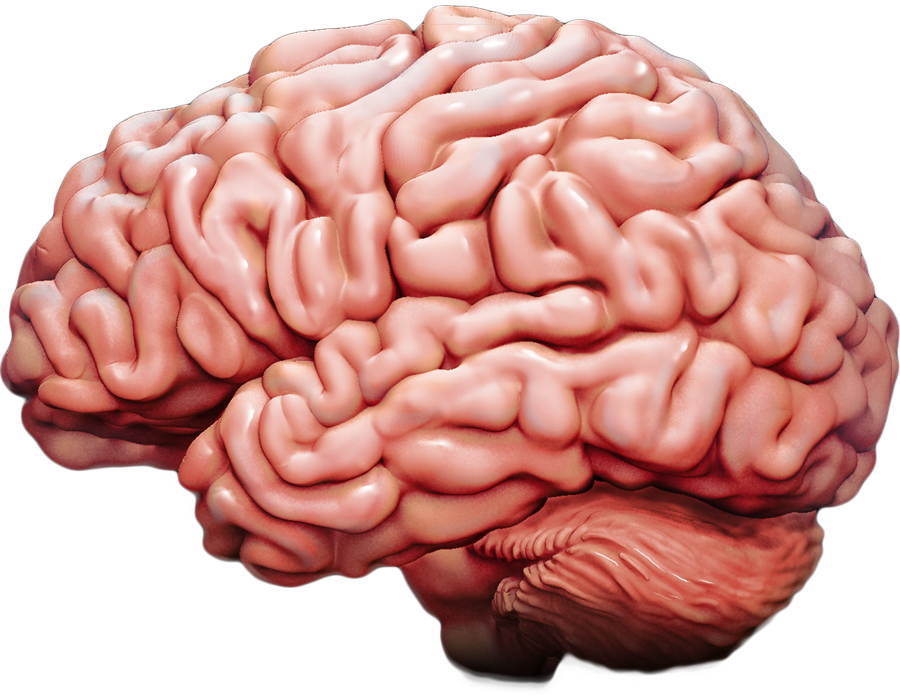
Chronic neurological conditions such as multiple sclerosis (MS), dementia, and other neurodegenerative diseases pose significant challenges to individuals and their families. These disorders often progress gradually, affecting various aspects of physical, cognitive, and emotional well-being.
“You either get bitter or you get better. It’s that simple. You either take what has been dealt to you and allow it to make you a better person, or you allow it to tear you down. The choice does not belong to fate, it belongs to you.” – Josh Shipp
Dementia encompasses a range of cognitive impairments that interfere with daily functioning. Alzheimer’s disease is the most common form, marked by memory loss, disorientation, and personality changes. Vascular dementia, another prevalent type, results from reduced blood flow to the brain due to vascular issues. Both conditions profoundly impact not only individuals but also their caregivers and loved ones. The emotional toll of witnessing a loved one’s decline underscores the importance of ongoing research and support systems, as watching loved one become a shell of a person takes an incredible toll.


Multiple sclerosis is an autoimmune disorder characterized by the immune system attacking the protective sheath surrounding nerve fibers. This results in communication disruptions between the brain and the rest of the body. Symptoms can vary widely, including fatigue, muscle weakness, coordination issues, and vision problems. Advances in treatment have improved quality of life for many patients; however, MS remains a lifelong condition with unpredictable progression.
Neurological conditions such as these often share common pathways involving neuroinflammation, cellular degeneration, and disrupted neural communication. Understanding these mechanisms is crucial for developing effective therapies and potential cures. Recent advancements in stem cell therapy and immunomodulation offer hope for future treatments that may slow or even reverse some aspects of these diseases.
Wrapping Up with Key Insights
MS hasn’t stopped me, and the last 14 years of my life have been some of the most productive. However, it’s certainly given me a new perspective on things.
My personal journey through these illnesses has deepened my appreciation for resilience and the importance of medical innovation. Despite facing numerous challenges – such as my own diagnosis with MS in 2012 and subsequent treatments including clinical trials for Campath/Alemtuzumab, Tysabri, and most recently a full stem-cell transplant – the pursuit of better outcomes continues to motivate me.
Research into neurodegenerative diseases remains a vital area within neuroscience. As our understanding grows, so does the potential for groundbreaking therapies that could transform lives affected by these conditions. Supporting ongoing research efforts is essential to unlocking new possibilities for prevention, management, and ultimately cures for neurological degenerative diseases.
Perhaps one day, and soon, we will be talking about a cure for these conditions.
Leave a Reply