
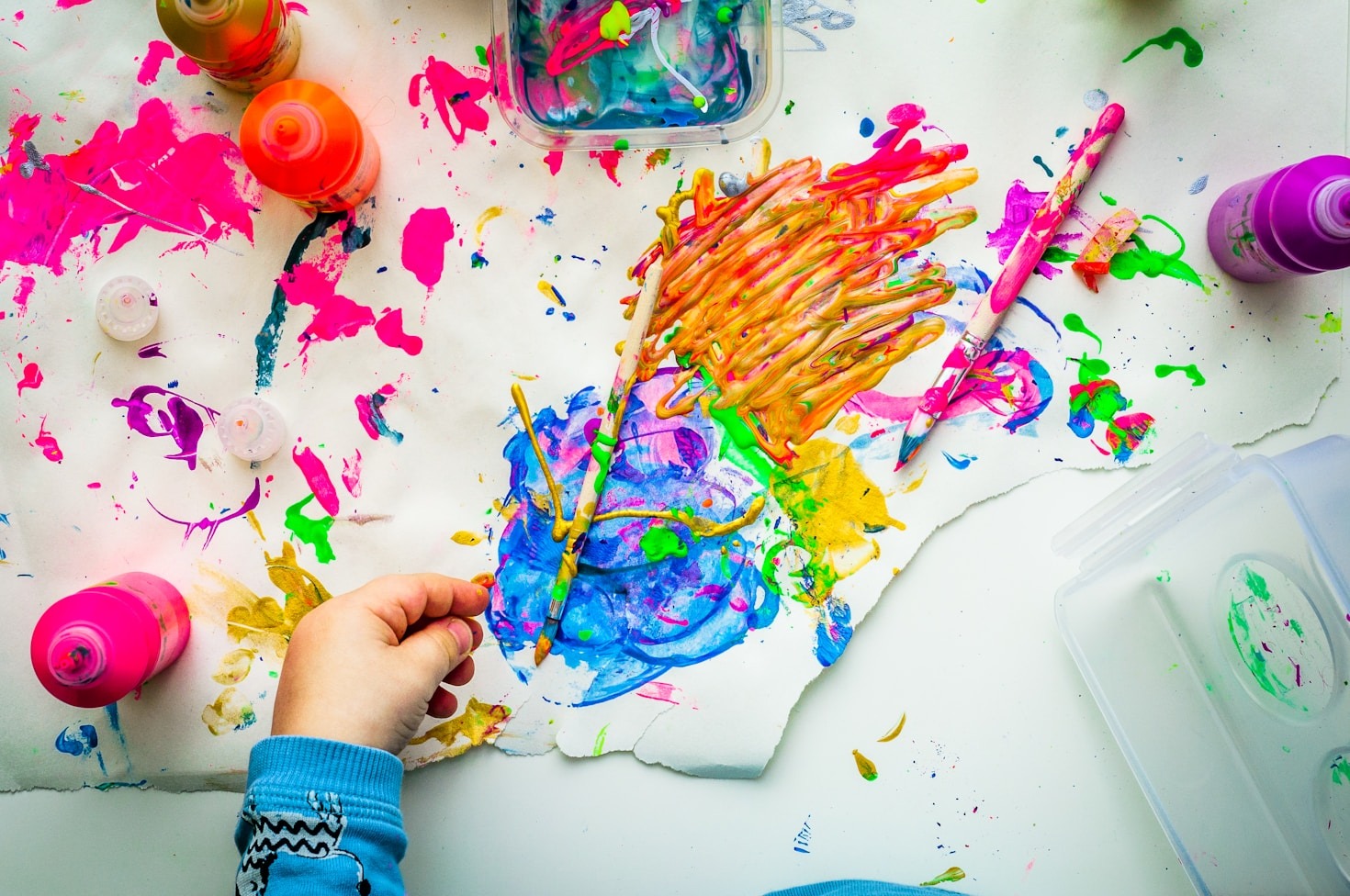
Okay, so it’s digital design I’m talking about as well as analogue, but that makes for a less snappy headline, right?
It feels like AI is inescapable at the moment, but there is a real pushback against “AI slop”, and, as it takes over, organic, human-made design will become increasingly valuable.
“In a sensibly organized society, if you improve productivity, there is room for everybody to benefit. The problem isn’t the technology, but the way the benefits are shared out.”
Geoffrey Hinton
It feellike we can’t get away from AI right now. It’s woven into everything from the tools we use to the content we consume. It’s accelerating at a pace that gives even the most tech‑optimistic among us pause. Yet, as this wave rises, so does a counter current: a growing resistance to what many are calling “AI slop.” That phrase captures a very real cultural fatigue – the sense that the world is being flooded with content that is both fast and yet strangely hollow. People notice when something feels mass‑produced, when it lacks the a human touch. And that awareness is reshaping what we value.
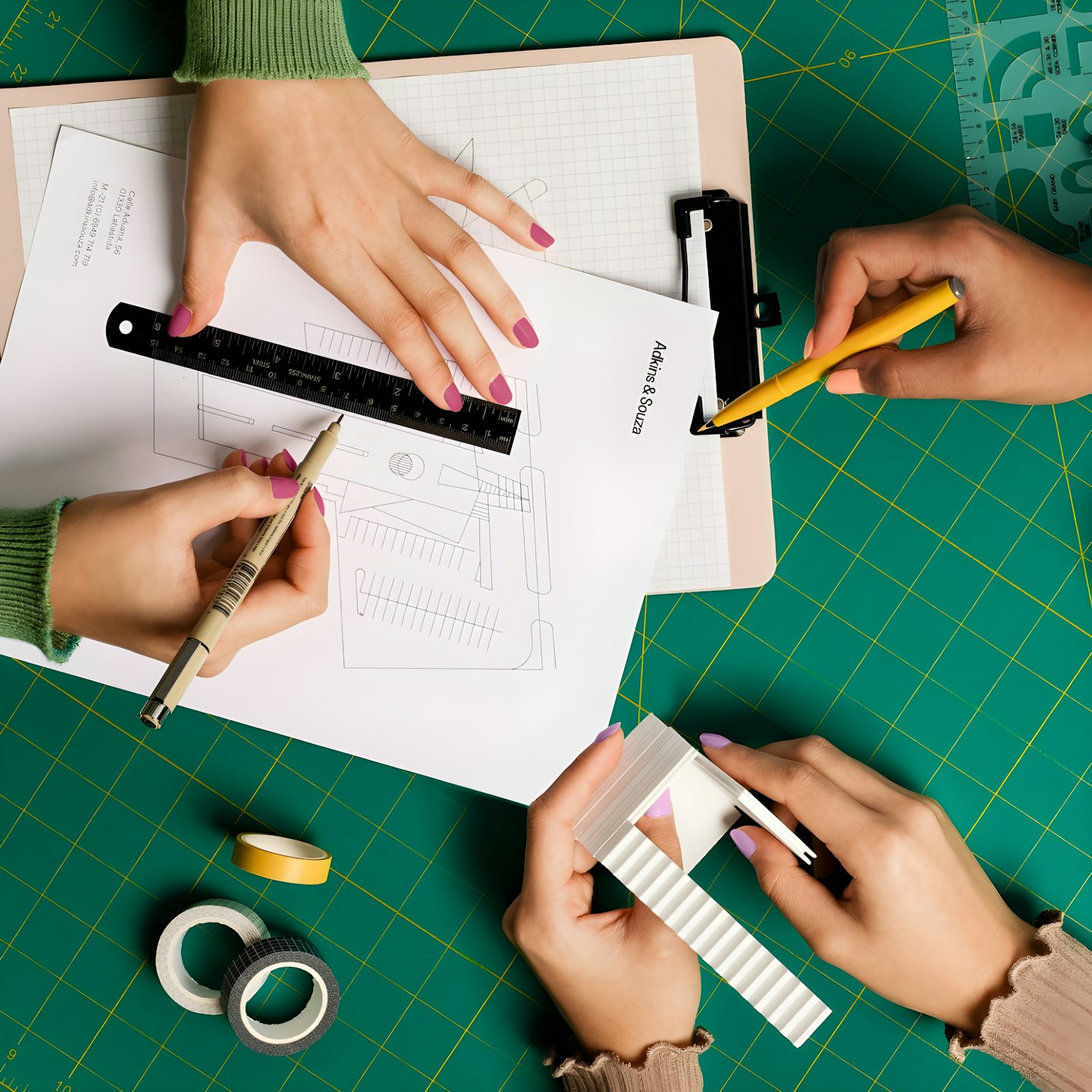
As AI becomes ubiquitous, human-made work doesn’t disappear; it becomes rare. Precious. The more automated our creative landscape becomes, the more we crave the imperfections and oddness, the intentional choices that only a person can make. Organic design shaped by lived experience, intuition, and emotional nuance – stands out like a handmade ceramic bowl in a world of injection‑moulded plastic. It isn’t just nostalgia. It’s a recognition that meaning comes from… process, I guess, not just output.
We’ve been here before, in different forms. Industrialization made handcrafted goods rare and therefore desirable. Digital photography made film photography feel soulful again. Streaming made live performance feel electric. Now, AI-generated content is pushing us toward a renewed appreciation for the human touch. Not because AI is bad, but because abundance always elevates scarcity – and authentic human expression is becoming one of the rarest commodities in the creative economy.
The Great (A)Irony
The irony is that AI’s rise may end up strengthening human creativity rather than eroding it. As the baseline of “good enough” becomes automated, the work that resonates will be the work that feels unmistakably alive.
The future may not be a battle between human and machine, but a recalibration of what we choose to celebrate: the messy, intentional, beautifully imperfect things that remind us there’s a real person on the other side.
Leave a Reply